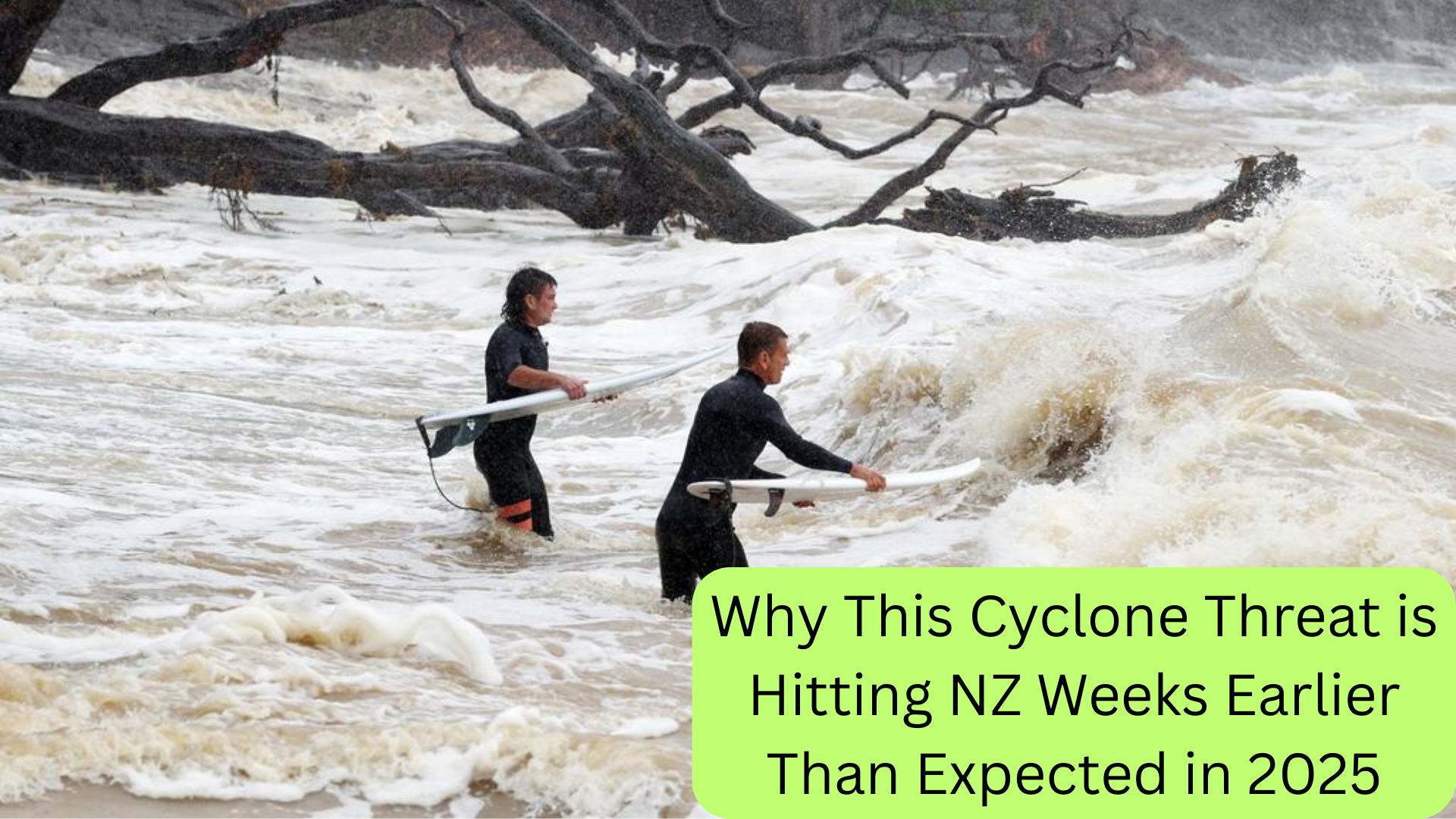
Imagine waking up, not to the sound of carols and cicadas, but to the urgent pounding of rain and the howl of an unforeseen gale. For thousands of New Zealanders preparing for the busiest travel week of the year, this scenario is rapidly moving from possibility to probability.
An intensifying weather system, currently spinning near the South Pacific, has officially put New Zealand on high alert. Forecasters warn that its trajectory suggests a potential direct hit on parts of the North Island just days before Christmas 2025, threatening to unleash damaging winds, torrential rain, and coastal inundation.
The Unwelcome Arrival: Early Season Threat
This developing system is a sharp reminder that the South Pacific cyclone season, which officially runs from November to April, has already begun with serious intent. Climatologists have been watching a low-pressure zone intensify rapidly in warmer-than-usual waters north of Fiji.
It is now transitioning into a tropical disturbance, showing characteristics that suggest it will reach cyclone strength before entering the New Zealand area of responsibility. This early activity is concerning, especially given its timing during the peak of the pre-Christmas migration of holidaymakers.
Background: Why is This Happening Now?
The formation and strength of tropical cyclones are intrinsically linked to sea surface temperatures. When waters exceed the crucial 26.5°C threshold, they provide the necessary energy for these vast, swirling weather engines to develop.
Meteorologists confirm that the ocean temperatures throughout the southwest Pacific basin are currently elevated, providing an unusually deep layer of warm water that fuels rapid intensification. This particular system is being steered southward by a strong high-pressure ridge parked east of the country, acting like a barrier to the system’s normal westward movement.
This steering pattern directs the threat right toward the top of New Zealand. While the system is expected to lose some tropical characteristics as it moves south over cooler seas, it will likely retain significant power—what MetService calls a severe “ex-tropical cyclone.”
The Human Angle: Holidays on Hold
For many, the countdown to Christmas is measured in last-minute shopping trips and packing the car for the annual holiday exodus. Now, the countdown is focused on preparations for a potential emergency.
In the coastal town of Whangamatā, Sarah Jensen, who runs a small beachfront café, is watching the forecasts with growing anxiety. Her busiest week of the year is about to clash with a major weather event.
“We rely on the two weeks before Christmas to carry us through the quiet season,” Sarah explains, wiping down the already clean counter. “We’ve got bookings for staff Christmas parties and tourists starting to arrive. If the ferry services shut down and the state highways flood, it’s not just a ruined picnic, it’s our entire livelihood for the summer.”
She is already securing outdoor furniture, checking the emergency generator, and stacking sandbags near the low entry point of her café. The stress is palpable, a mixture of business worry and personal safety concerns.
Official Statements and Warnings
Civil Defence and Emergency Management (CDEM) are mobilising resources across the Northland, Auckland, and Coromandel regions. They urge residents not to rely on last-minute preparations.
“The most dangerous part of this system will be its speed,” stated Dr. Mark Gibson, Director of Emergency Response for CDEM, in a press briefing. “Current modelling suggests the cyclone will be moving rapidly, meaning the transition from sunny skies to severe gale and heavy rain could happen in as little as six hours.”
Dr. Gibson emphasised that preparation should be completed by the weekend of December 13th, allowing a buffer before the expected impact window starts around December 20th.
“We have allocated an additional 30% of our regional flood response teams to the North Island’s east coast, recognizing the vulnerability of those communities to storm surges and high tides,” he added. This statistic highlights the serious nature of the threat being modeled internally.
Expert Analysis: Data Insights
Meteorologists are using the latest global models to predict the storm’s path and intensity. While no two tropical cyclones are identical, the current setup bears resemblance to past destructive events that tracked down the Tasman Sea.
The key variables being tracked are the wind field and the rainfall rate.
Predicted Impact Parameters
| Region | Expected Wind Speed (Peak) | Rainfall Accumulation (24h) | Primary Risk |
|---|---|---|---|
| Northland | Severe Gale (120–150 km/h) | 150–200 mm | Power outages, isolation, slips. |
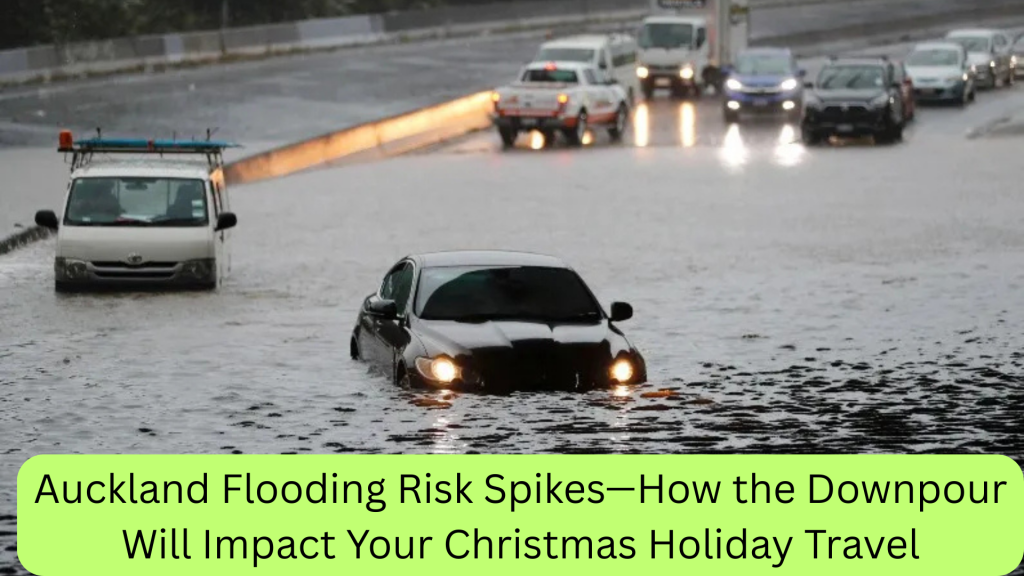
| Auckland | Strong Gale (90–120 km/h) | 100–150 mm | Urban flooding, transport disruption. |
| Coromandel/Bay of Plenty | Severe Gale (100–130 km/h) | 200+ mm | Coastal inundation, road washouts. |
| Waikato | Strong Wind (70–90 km/h) | 80–120 mm | River swelling, agricultural damage. |
Note: These figures are based on the mid-range of predictive models as of mid-December 2025 and are subject to change.
The massive amount of rainfall predicted for the Coromandel and Northland regions is a particular concern. The combination of saturated soil from previous minor rain events and 200mm+ of fresh water could trigger widespread landslips, which pose a deadly threat to houses built on hillsides and can severely compromise vital State Highway networks.
Comparison to Past Events
This system is structurally different from the massive, slow-moving ex-Tropical Cyclone Bola (1988), which caused catastrophic flooding over a week. Instead, forecasters draw parallels with more recent, faster-moving systems that brought intense, short-duration damage, like ex-Tropical Cyclone Debbie (2017).
Debbie, while not making a direct hit, funneled enormous amounts of moisture over the country, leading to widespread flooding across the Bay of Plenty and Waikato, forcing major evacuations. The current system is forecast to pass closer, potentially bringing the most destructive element—the eye wall—near the coastlines.
The most critical factor for New Zealanders is the wind damage potential. As the system moves south and interacts with the cooler atmosphere, the wind field can sometimes broaden, affecting a larger area than a typical tropical storm. Securing properties against wind lift and checking insurance policies should be top priorities for homeowners in threatened zones.
Impact and What Readers Should Do
The primary impact will be on transport and essential services. Regional airport operations are likely to be curtailed or suspended entirely, and ferry services across the Hauraki Gulf and Cook Strait may face lengthy cancellations, trapping holidaymakers on one side or the other. Road travel, particularly along State Highway 1, is expected to be hazardous or impossible in places.
CDEM is strongly advising the public to implement a ‘Get Ready’ plan immediately:
- Check Travel Insurance: Review policies to understand coverage for weather-related cancellations and accommodation changes.
- Fuel and Essentials: Ensure vehicles are fully fuelled and withdraw necessary cash, as ATM and EFTPOS services may be disrupted during power outages.
- Prepare Emergency Kits: Ensure your kit includes water, non-perishable food, a radio, torches, warm blankets, and any necessary medications for a minimum of three days.
- Clear Property: Secure or remove anything loose outside—trampolines, garden furniture, bins—that could become dangerous projectiles in high winds.
- Monitor Official Channels: Rely only on MetService, CDEM, and Waka Kotahi (NZTA) for official updates, and disregard social media speculation.
While the festive spirit is strong, the reality of living in a weather-vulnerable country demands vigilance. The potential for a cyclone impact before Christmas 2025 is a serious challenge, but it is one that New Zealand communities are equipped to handle through planning and timely action.
The key message from authorities is not fear, but preparedness. By taking decisive action now—securing your home, stocking your emergency kit, and revising your travel schedule—you can minimise the disruption and ensure that you, your family, and your community remain safe throughout the peak of the storm. Stay informed, stay safe, and be ready to adapt your holiday plans if required.









Leave a Comment