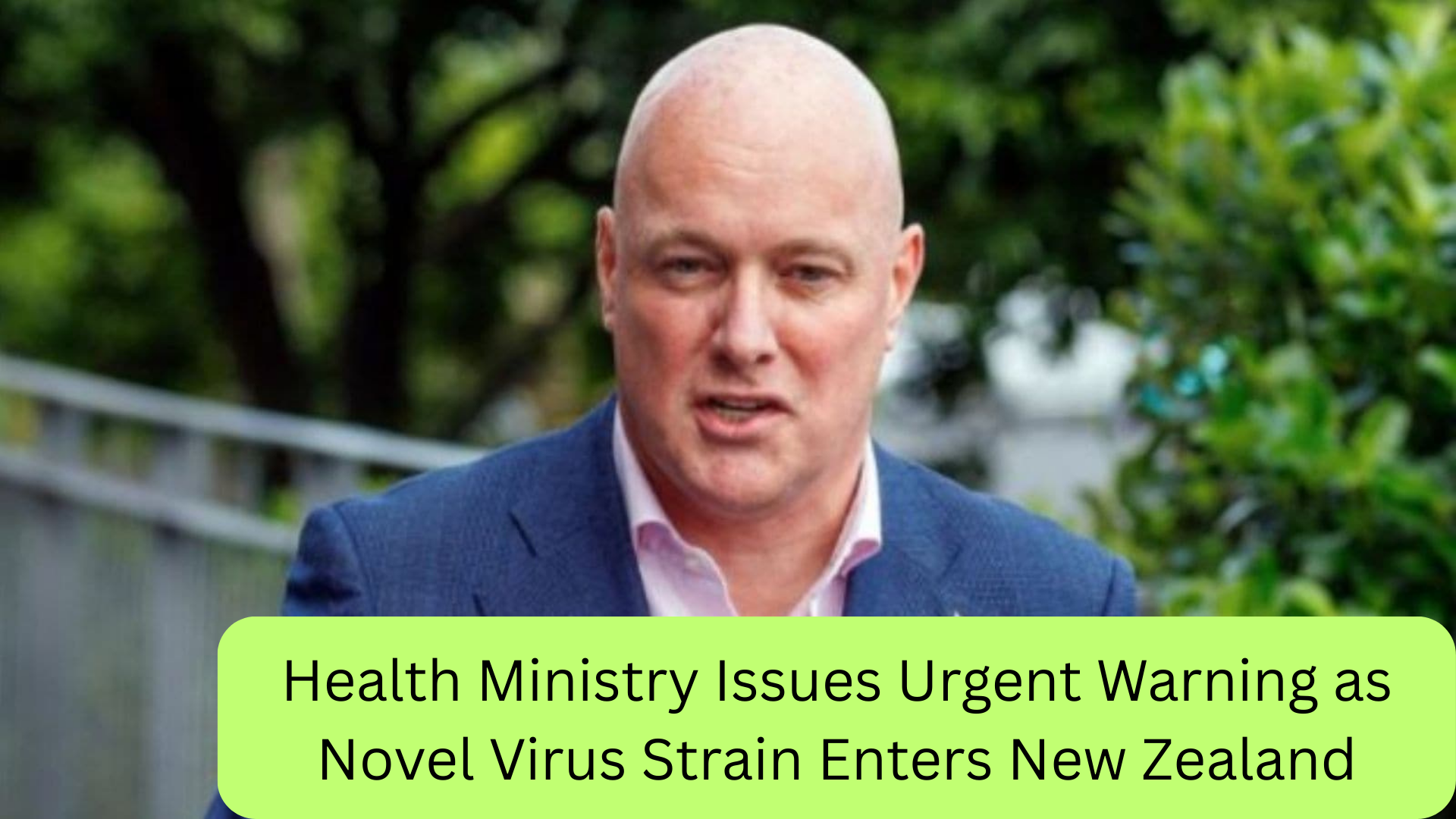
Imagine waking up on a warm December morning in New Zealand, opening your phone to check holiday plans, only to see an alert from the Ministry of Health about a newly detected virus variant. For many, the timing feels unsettling — just as Christmas gatherings, school holidays, and travel plans are beginning.
Yet officials emphasise that early information is reassuring. The December advisory aims to keep New Zealanders informed, not alarmed, as they move into one of the busiest months of the year.
Background: Why the Advisory Was Issued
The Ministry of Health says the new variant was identified through routine genomic surveillance — the same system that monitors seasonal respiratory viruses each year. These minor shifts happen naturally and often have little impact on public health.
Officials stress that there is no indication of increased severity and that symptoms so far resemble those of common colds or mild flu. The advisory was issued because December brings high travel volumes, crowded indoor gatherings, and a greater risk of seasonal illness spreading.
Health authorities say that transparent, early communication helps people make informed choices during the holiday period.
What’s New: Key Updates in the December Advisory
The Ministry’s advisory outlines what is currently known and what New Zealanders should keep in mind through the rest of December 2025.
- A new respiratory virus variant has been detected through routine monitoring.
- There is no evidence of increased severity or hospitalisation risk.
- Symptoms reported so far remain consistent with typical seasonal respiratory infections.
- People with cold-like symptoms are encouraged to stay home when possible.
- Ventilation and outdoor gatherings are recommended for large groups.
- No travel restrictions or event limitations have been introduced.
- Health authorities will provide updates only if significant changes occur.
Officials say that for now, usual precautions are the most effective way to manage risk.
Human Angle: How Everyday New Zealanders Are Reacting
For many families, the news adds an unexpected layer to holiday planning. But most say they are relieved the advisory is focused on awareness rather than restrictions.
Wellington shop manager Holly Fenton, 34, says she initially felt worried when she saw headlines about a new variant.
“At first I thought, ‘Oh no, not again — not right before Christmas.’ But once I read the details, it didn’t seem like something to panic about. It just reminded me to keep tissues and sanitiser in my bag.”
Christchurch university student Rua McKenzie says the advisory influenced his upcoming travel plans slightly.
“I’ll still fly home next week, but I might wear a mask at the airport if it’s packed. Nothing dramatic — just being sensible.”
Parents, in particular, say clarity helps them feel more prepared.
“With kids, any bug spreads fast,” said Auckland mother Meera Singh. “So we’re just going to check in with everyone before our family barbecue and make sure no one turns up sick.”
Across the country, the overall reaction has been a blend of caution and calm.
Official Statements
The Ministry of Health held a brief media update to clarify the nature of the advisory and provide reassurance.
Spokesperson Dr. Hana Wiri explained,
“This new virus variant is a mild genetic shift, which is common for respiratory viruses at this time of year. We have not seen anything that suggests increased risk to the public.”
Dr. Wiri emphasised that the advisory is about mindfulness, not alarm.
“We issue seasonal reminders every year, but when we detect a new strain, even a mild one, it’s important for the public to be informed. Our guidance remains simple: stay home when unwell, practice good hygiene, and ventilate indoor spaces.”
The Ministry says it is continuing to monitor the situation closely and will update the public only if needed.
Expert Analysis and Data Insight
Public health experts say December is already the peak season for respiratory viruses due to school holidays, shopping crowds, end-of-year travel, and indoor gatherings.
Epidemiologist Professor Callum Reeves notes that small genetic variations are typical.
“Viruses change constantly — most variants never become a public issue,” he said. “The key figure here is that respiratory-related GP visits are up around 10% this month, which is consistent with every New Zealand summer season.”
Professor Reeves says the biggest risk during December is not the variant itself, but the number of close indoor contacts that naturally occur.
“What matters is behaviour during the holidays. Even small actions like opening windows can dramatically reduce spread.”
He adds that surveillance systems are functioning exactly as they should: identifying minor changes and reporting early.
Comparison Table: What the December Advisory Means for the Public
| Advisory Area | December 2024 Guidance | December 2025 Advisory (New) |
|---|---|---|
| Variant Detection | Seasonal strains only | New mild variant detected |
| Severity Level | Low | Low — no increased severity noted |
| Impact on Travel | No restrictions | No changes to travel guidance |
| Event and Gathering Recommendations | Standard precautions | Increased focus on ventilation |
| Testing Advice | Optional | Optional, with awareness encouraged |
| Community Transmission Level | Moderate seasonal | Low but monitored |
| Public Health Risk | Low | Low — unchanged |
Officials say the differences are minor and mainly aimed at raising seasonal awareness.
Impact: What Readers Should Do
For most New Zealanders, the advisory does not change daily routines. Instead, it serves as a reminder to use simple habits that reduce the spread of any illness — including this new virus variant.
Recommended steps for December include:
- Stay home if unwell, even if symptoms are mild.
- Open windows or meet outdoors when hosting gatherings.
- Carry tissues and hand sanitiser during travel and shopping trips.
- Avoid visiting elderly or medically vulnerable family members while sick.
- Plan flexible holiday arrangements in case someone becomes unwell.
- Use masks in crowded places if you feel more comfortable.
- Monitor family symptoms, especially among children, who often spread viruses quickly.
Doctors remind the public that these precautions are effective for all respiratory illnesses, not just newly detected variants.
Q&A
1. Should New Zealanders be worried about the new virus variant?
No. Health officials say there is no evidence of increased severity or risk.
2. Why was the advisory issued?
To keep the public informed during a time of increased travel and gatherings.
3. Are symptoms different from usual seasonal illnesses?
So far, symptoms appear similar to colds and mild flu.
4. Have there been many cases?
Only a small number have been detected through routine monitoring.
5. Are there any new restrictions?
No. Nothing has changed regarding events, travel, or daily activities.
6. Should people cancel Christmas gatherings?
No. Just encourage anyone who is unwell to stay home.
7. Does this variant spread faster?
There is no evidence of increased spread at this time.
8. Should children continue normal activities?
Yes, while following basic hygiene practices.
9. Are masks required again?
No. Masks remain optional and may be useful in crowded places.
10. Do I need to test if I have symptoms?
Testing is optional unless advised by a healthcare provider.
11. Is the elderly population at higher risk?
They are always more vulnerable to respiratory illnesses in general, so usual care is recommended.
12. Could restrictions return later?
Only if a significant change occurs — which officials say is unlikely.
13. Will the Ministry update the public regularly?
Yes, but only if important new information emerges.
14. Does this affect international arrivals?
No. Travel guidance remains unchanged.
15. Should workplaces change their policies?
Most workplaces already have appropriate seasonal illness guidelines.







Leave a Comment